


Easing Sundowning at Home: Routines That Help
Many families caring for a parent with dementia know the pattern. Mornings go fairly well, then somewhere around late afternoon Mom starts pacing, asking to go home, or getting upset over small things. The Alzheimer's Association calls this sundowning: increased confusion that people living with Alzheimer's and other dementias may experience from dusk through the night. Simple routines that ease sundowning will not cure it, but they can soften it a great deal.
What Sundowning Looks Like in Alzheimer's and Dementia
The Alzheimer's Association lists difficulty sleeping, anxiety, agitation, hallucinations, pacing and disorientation among the symptoms. It describes sundowning as a set of symptoms tied to dementia and notes that the exact cause is unknown. In Florida, where the Alzheimer's Association estimates about 580,000 people 65 and older live with Alzheimer's, it is one of the most common reasons families first call for help in the evenings.
Common Sundowning Triggers to Watch For
The Alzheimer's Association points to several factors that may contribute. Knowing them helps you look for patterns in your own parent's day.
- Physical and mental exhaustion after a busy day.
- A disrupted internal body clock, leaving a person tired by day and awake at night.
- Low light and shadows that can be confusing or frightening.
- Picking up on stress or frustration from the people around them.
- Confusing dreams with reality after waking.
- Physical problems such as a urinary tract infection, incontinence, restless legs or sleep apnea.
- Needing less sleep, which is common with age.
If late-day confusion appears suddenly or gets much worse over a few days, call your parent's doctor. Infections, especially urinary tract infections, pain and medication side effects can all cause new confusion, and they are treatable. Our guide to signs a parent needs more help at home covers other changes worth raising with the doctor.
Build the Day Around the Morning
The Alzheimer's Association suggests scheduling appointments, outings and baths in the morning or early afternoon, when a person living with dementia is usually more alert. That one change can take a lot of pressure off the evening. In Gainesville, that might mean booking doctor visits as early as possible and saving the grocery trip for 10 a.m. rather than after lunch.
The Association also recommends a larger meal at lunch and a lighter evening meal, a consistent schedule for waking up, meals and bedtime, and time spent in daylight. Limit daytime naps if nighttime sleep is poor, and limit caffeine, alcohol and nicotine, especially later in the day.
A sample day that protects the evening
- 8:00 a.m.Wake at the same time, open the blinds wide, breakfast and morning medications.
- 9:30 a.m.Shower or bath while energy is highest, then dress for the day.
- 10:30 a.m.Outing or appointment: a walk on the porch, an errand, or time outdoors in the sun.
- 12:30 p.m.The biggest meal of the day, followed by a short rest if needed.
- 3:30 p.m.Lights on before the house gets dim, a calm activity like folding towels, music or a photo album.
- 6:00 p.m.Light supper, then a quiet evening with the TV off or low and a familiar bedtime routine.
Make Late Afternoon Calmer
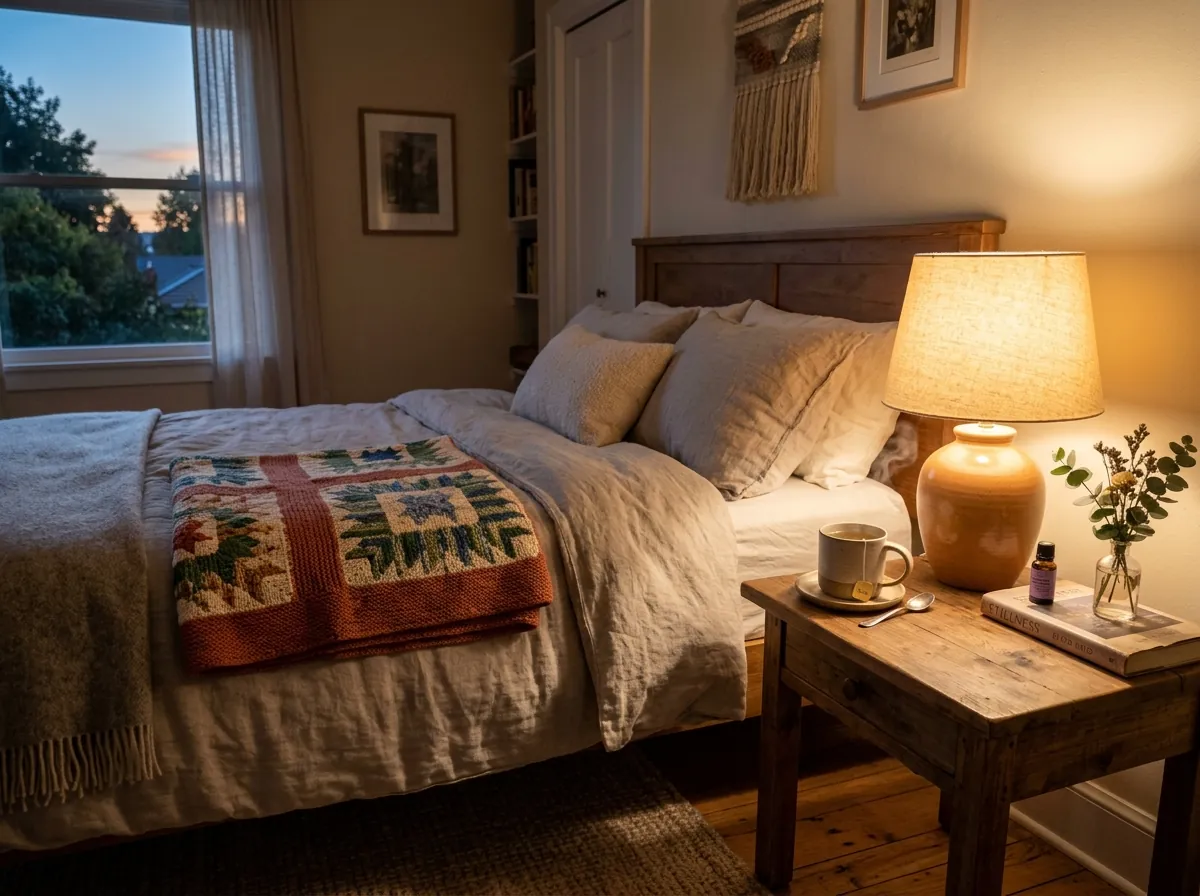
The Alzheimer's Association recommends reducing stimulation in the evening, such as television, household chores and loud music, which can add to confusion. It also suggests keeping the home well lit in the evening. Turn lamps on before shadows creep in, close curtains once it is dark outside so windows do not turn into black mirrors, and keep the path to the bathroom lit at night.
Soothing activities help many people: calm music, looking through photo albums, or a walk together to burn off restlessness. The Association notes that supervised pacing is fine. Keep a few go-to activities ready so you are not inventing one in the moment. Our companion caregivers often build a short list of favorites with each family, from old hymns to a deck of cards.
Getting Ready for the End of Daylight Saving Time
Daylight saving time ends on Sunday, November 1, 2026, and dusk will suddenly arrive an hour earlier on the clock. For someone who sundowns, that can mean the hard part of the day starts in the middle of the afternoon. A few small steps can make the shift gentler.
- 1Shift meals gradually.In the week before, move lunch and supper about 10 to 15 minutes at a time so the body clock adjusts.
- 2Get outside earlier.Morning sunlight helps set the internal clock, so make the daily walk a morning habit.
- 3Turn lights on sooner.Once the clocks change, switch lamps on in mid-afternoon before the room dims.
- 4Keep everything else the same.Hold bath times, visitors and bedtime steady while your parent adjusts.
Set Up the House for Safer Evenings
The home itself can either add to late-day confusion or ease it. Walk through the house at dusk and look at it the way your parent might. Dark hallways, a television murmuring in an empty room, or a coat and car keys by the door can all prompt worry or a wish to leave. Small changes help:
- Use lamps with warm bulbs in the rooms your parent spends evenings in, and add plug-in night lights along the route to the bathroom.
- Cover or move mirrors and dark windows if reflections seem to upset your parent after dark.
- Move purses, car keys and coats out of sight in the evening if seeing them sparks an urge to go somewhere.
- Keep a favorite chair, blanket and a few familiar objects in one calm spot.
- If your parent tends to wander, talk with the doctor and family about door chimes or other safety steps, and keep a recent photo handy.
In North Central Florida's long, hot summers, a stuffy room can add to restlessness. Keep the house comfortably cool in the late afternoon and offer water often, since thirst is easy to miss.
What to Do in the Moment
When your parent is upset, the Alzheimer's Association recommends staying calm, checking whether something is needed, gently reminding them of the time, avoiding arguments and offering reassurance. Never use physical restraint, which can make agitation worse. Hunger, thirst, a full bladder, pain or being too warm are common hidden causes, so check the basics first.
Keep notes on what happens before episodes. Over a week or two, patterns often appear: a late nap, a noisy visitor, a skipped snack. The Association recommends tracking these triggers, and they are useful to share with your parent's doctor. Ask the doctor about the right timing for medications, too. Experts generally prefer non-drug approaches first for dementia-related sleep problems.
Dementia Caregiver Support in Gainesville and Alachua County
Evenings are often when family caregivers wear down. The Alzheimer's Association's 24/7 Helpline at 800-272-3900 can talk through a hard night. Locally, ElderCare of Alachua County runs Al'z Place, an adult day program for people with Alzheimer's or severe memory impairment, and Elder Options offers caregiver training and support for families in Alachua County.
Caring for someone who sundowns is tiring, and it is easy to take hard evenings personally. Try to remember that the confusion comes from the disease. Plan something restful for yourself earlier in the day, even a short walk or a phone call with a friend, and ask family members to take specific evenings so the same person is not covering every night. When that is not possible, scheduled respite care gives the main caregiver a regular night off. Rested caregivers tend to have calmer evenings, and that calm often carries over to the person they are caring for.
Our Alzheimer's and memory care caregivers are dementia trained with yearly refreshers, and many families schedule them for the late afternoon and evening, the hours when an extra pair of calm hands matters most. A 4-hour visit from 3 to 7 p.m. covers the whole sundowning window, supper and the start of the bedtime routine. For families who need overnight help, 24-hour and live-in care is available. We visit families across Gainesville and nearby communities such as Haile Plantation and Alachua. See how care works, then call (352) 352-9346 day or night to set up a free home visit.
Common questions
What time of day does sundowning usually start?
The Alzheimer's Association describes sundowning as increased confusion from dusk through the night. Many families notice it starting in the late afternoon.
What causes sundowning?
The exact cause is unknown. Possible factors include fatigue, a disrupted body clock, low light and shadows, stress in the home, and physical problems such as urinary tract infections or sleep apnea.
Can a daily routine really help with sundowning?
Often, yes. The Alzheimer's Association recommends morning appointments and baths, a larger lunch and lighter supper, daylight exposure, a well-lit home in the evening and less evening stimulation.
How can I prepare a parent with dementia for the time change?
Daylight saving time ends November 1, 2026. Shift meals a little at a time the week before, get morning sunlight, and turn lights on earlier in the afternoon once clocks change.
Can a caregiver come just for the evening hours?
Yes. Many Gainesville families schedule a 4-hour visit in the late afternoon and evening, such as 3 to 7 p.m., to cover the sundowning window and supper.
Dana can talk it through with you, no pressure.
Keep reading
 Planning careSigns It's Time to Bring In Help at Home
 Planning careHow to Choose a Home Care Agency in Gainesville
 Paying for careHow Much Does In-Home Care Cost in Gainesville, FL?
- Alzheimer's Association: Sleep issues and sundowning
- Alzheimer's Association: Sundowning tip sheet
- Florida Senate committee meeting document citing Alzheimer's Association Florida prevalence (about 580,000 age 65+)
- ElderCare of Alachua County (UF Health): Al'z Place adult day care
- Elder Options: Caregiver training and support
- National Institute of Standards and Technology: Daylight saving time rules (ends first Sunday in November)